
Best Low Risk High Return Mutual Funds Agent for Long Term Wealth Creation
Updated on 20-11-2026
One of the most critical initial steps towards securing long-term financial stability is to invest money wisely. Yet, many investors struggle with picking suitable mutual funds due to the volatility of the market, risks involved in investments, and fluctuating financial goals. This is where a Low Risk High Return Mutual Funds Agent can come in handy for the investors to know about various investment options and make informed financial decisions.
Mutual funds are an avenue to invest in a professionally managed portfolio that can help build wealth. But all mutual funds have some risk and no amount of returns can be guaranteed. Investors should thus determine the risk, expected return and the Investment Period and balance them, instead of searching for unrealistic guaranteed profits.
They can learn about the various types of mutual funds available to them, their risk-taking potential, and form investment plans, which are aligned with their financial goals with the guidance of the GIIS Financial team.
What Is a Low Risk High Return Mutual Funds Agent?
Low Risk High Return Mutual Funds Agent is a financial advisor or mutual fund agent who assists investors in comprehending the different mutual fund schemes according to their investment objectives, time horizon and risk comfort level.
They are there to assist investors in finding investment opportunities that could provide a good risk/return profile.
A mutual fund agent can help investors with:
-
Knowing the various types of mutual funds.
-
Comparing investment options.
-
Selecting funds according to financial goals.
-
Understanding market-related risks.
-
Setting up SIPs.
-
Checking mutual fund investments regularly.
It is important to keep in mind that no mutual fund agent can guarantee that they will get high returns with zero risk. Making investment decisions should never be made without proper research and understanding of the market.
Best Mutual Fund Categories for Balancing Risk and Returns
Choosing the right mutual fund category is essential for building a balanced investment portfolio. Different categories serve different financial needs, investment periods, and risk preferences.
1. Liquid Mutual Funds
Liquid mutual funds invest primarily in short-term money market instruments and debt securities with short maturities. They are generally considered by investors looking to park surplus money for a short period.
Key features:
-
Suitable for short-term investment needs.
-
Generally lower volatility than equity funds.
-
Provides relatively easy liquidity.
-
Returns depend on prevailing short-term interest rates.
2. Short Duration Debt Funds
Short-duration debt funds invest in fixed-income securities with relatively shorter maturity periods. They may be considered by investors seeking income opportunities without taking direct equity market exposure.
Key features:
-
Invest in debt and money market instruments.
-
Can offer income-generation potential.
-
Carry interest rate and credit risks.
-
Suitable only after evaluating the investment horizon.
3. Conservative Hybrid Mutual Funds
Conservative hybrid funds invest primarily in debt instruments while maintaining a smaller allocation to equity. This combination can help investors balance income potential and long-term growth opportunities.
Key features:
-
Primarily debt-oriented investments.
-
Limited equity exposure.
-
Potential for portfolio diversification.
-
Returns depend on both debt and equity market performance.
4. Corporate Bond Funds
Corporate bond funds invest mainly in corporate debt securities that meet the scheme's investment criteria. Their risk depends on the credit quality of the underlying issuers and the maturity of the securities.
Key features:
-
Exposure to corporate debt instruments.
-
Credit quality plays an important role.
-
Interest rate fluctuations can affect NAV.
-
Investors should examine the portfolio and credit ratings.
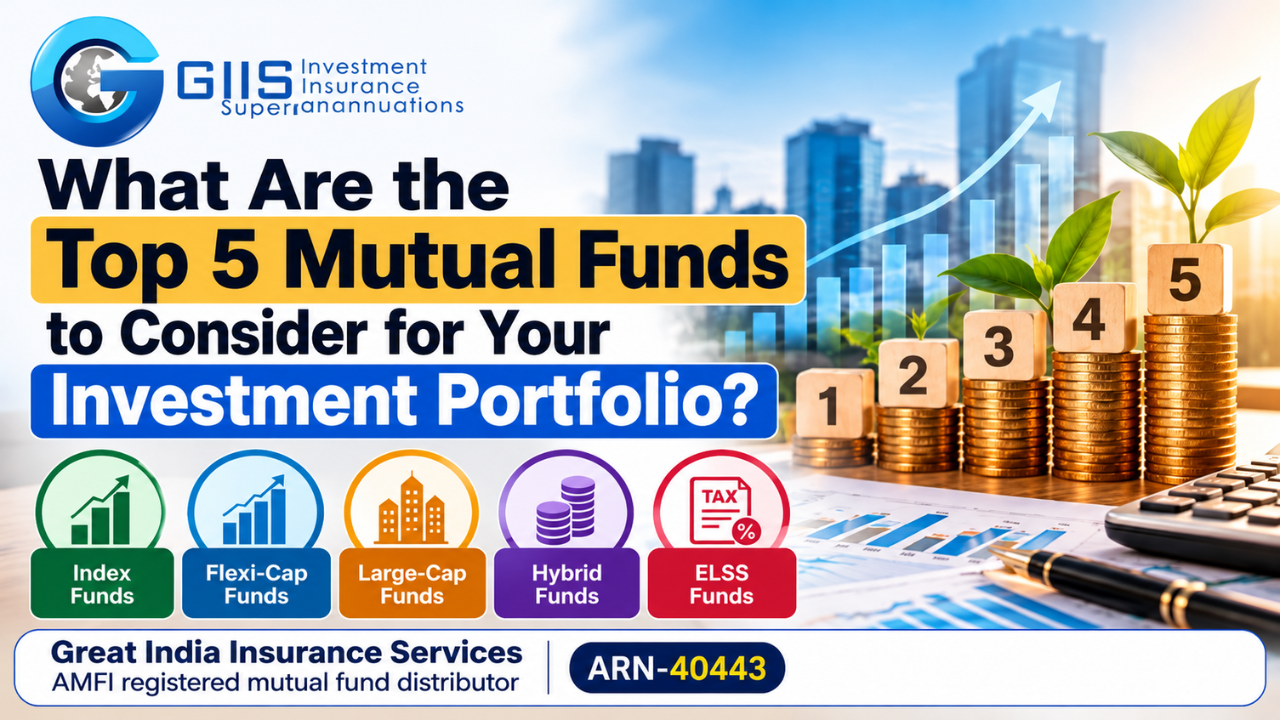
5. Index Funds
Index funds passively track a particular market index. They provide diversified exposure to the securities included in that index, but their value can fluctuate with the market.
Key features:
-
Passive investment strategy.
-
Generally transparent portfolio composition.
-
Diversification across index constituents.
-
Market-related risks remain.
These categories are not risk-free alternatives. Investors should review scheme documents, portfolio composition, expenses, liquidity, and the SEBI Riskometer before investing.
Why Do Investors Need a Low Risk High Return Mutual Funds Agent?
Mutual fund selection can become confusing when investors have multiple financial goals and different investment options. A knowledgeable Low Risk High Return Mutual Funds Agent can help simplify the investment process.
Here are some important reasons to seek professional investment guidance.
1. Better Investment Planning
Professional guidance can help investors understand their financial requirements and select suitable mutual fund categories according to their goals.
2. Understanding Risk Tolerance
Every investor has a different capacity to handle market fluctuations. Understanding risk tolerance helps avoid investments that may not match an individual's financial situation.
3. Portfolio Diversification
Diversification means distributing investments across different asset classes and securities. It can help reduce the impact of poor performance in a single investment, although it cannot eliminate market-wide risks.
4. Long-Term Wealth Creation
Investing regularly and staying focused on long-term financial goals may help investors benefit from compounding and market growth opportunities.
5. Regular Portfolio Monitoring
Financial goals and market conditions can change over time. Periodic portfolio reviews help investors assess whether their investments remain aligned with their objectives.
How to Choose the Right Mutual Fund Agent?
Selecting an appropriate financial professional is an important part of your investment journey. Investors should evaluate the following factors before making a decision.
Check Registration and Credentials
Always verify the registration and credentials of the mutual fund distributor or investment professional. Investors should understand the role of the professional and the services being provided.
Understand the Investment Approach
Choose a professional who explains investment options, risks, costs, and potential returns transparently rather than promising unrealistic profits.
Compare Different Mutual Fund Categories
A good investment discussion should consider different mutual fund categories instead of recommending a scheme without understanding your financial needs.
Review Transparency and Communication
Investors should receive clear information about scheme-related documents, expenses, commissions where applicable, and investment risks.
Consider Your Financial Goals
The right investment strategy should be connected to specific goals, such as children's education, retirement, buying a house, or long-term wealth creation.
Important Factors to Consider Before Investing in Mutual Funds
Before selecting any scheme through a Low Risk High Return Mutual Funds Agent, investors should evaluate several important factors.
Remember that past performance does not guarantee future returns. Higher potential returns generally involve higher investment risks.
Association of Mutual Funds in India+2
How SIP Investments Can Support Long-Term Wealth Creation
A Systematic Investment Plan (SIP) allows investors to invest a fixed amount in a mutual fund scheme at regular intervals, such as monthly or quarterly.
Instead of investing a large amount at once, investors can develop a disciplined investment habit through regular contributions.
Benefits of Investing Through SIP
-
Financial Discipline: Encourages regular saving and investing.
-
Rupee Cost Averaging: Regular investments purchase units at different NAV levels.
-
Compounding Benefits: Long-term investment growth may benefit from compounding.
-
Flexible Contributions: Investors can select an investment amount according to their financial capacity.
-
Goal-Based Planning: SIPs can support long-term goals such as retirement and children's education.
Example of Monthly SIP Investment
Suppose an investor starts a monthly SIP of ?5,000 for 10 years.
Illustrative SIP calculation


















0
Comment