
Best Investment Options in India for High Returns: A Practical Guide for Investors
Updated on 08-10-2026
Choosing the right investment option is an important part of building long-term financial security. Many investors search for the best investment options in India for high returns, but there is no investment that can provide high returns without some level of risk. The right choice depends on financial goals, investment duration, liquidity requirements and the investor's ability to handle market fluctuations.
For beginners as well as experienced investors, diversification can be an effective way to avoid depending on a single investment product. Equity mutual funds, SIPs, fixed-income instruments, gold and other investment avenues can have different roles within a well-structured financial plan.
Investors looking for mutual funds in Jamshedpur can also consider goal-based investing, where each investment is connected to a specific financial objective.
What Are the Best Investment Options in India?
The best investment option depends on what you want your money to achieve. Some investments may focus on long-term growth, while others can provide greater stability or liquidity.
Here are some commonly considered investment options in India:
1. Equity Mutual Funds
Equity mutual funds invest primarily in shares of companies. They can offer significant growth potential over the long term, although their value can fluctuate with market conditions.
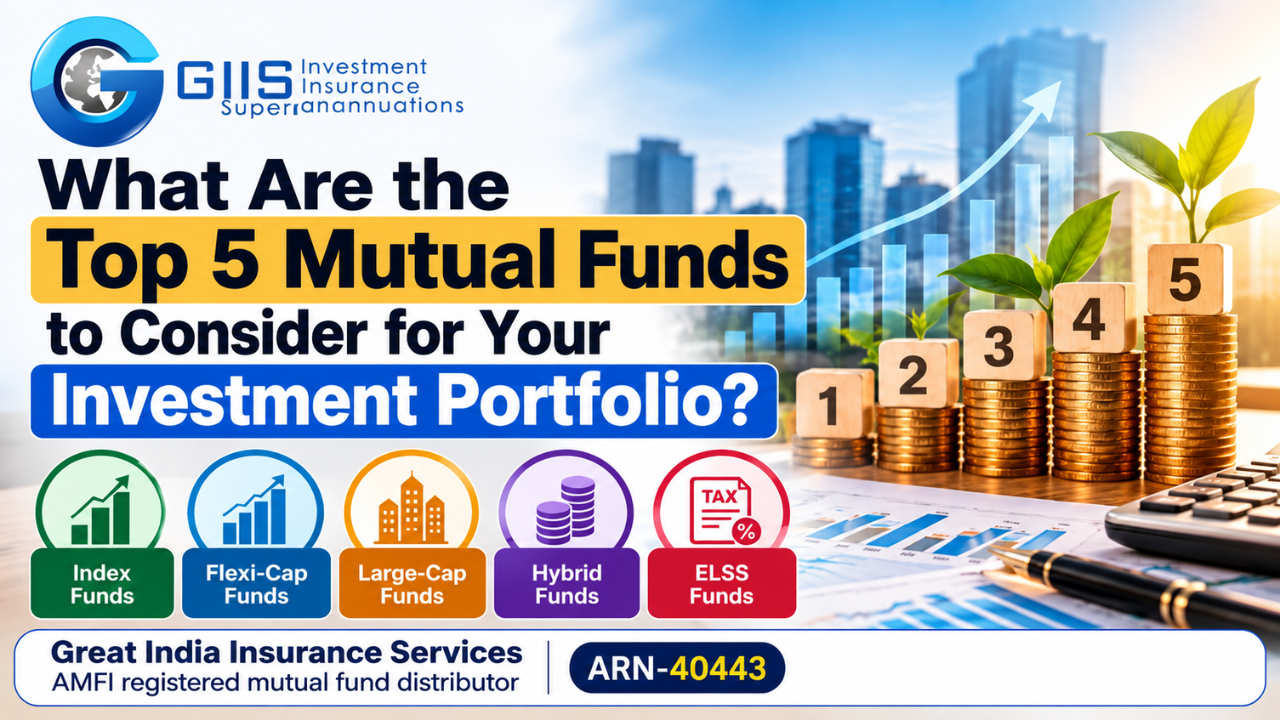
Investors with a longer investment horizon may consider equity funds for goals such as wealth creation, children's education or retirement planning. Different categories, including large-cap, flexi-cap and multi-cap funds, have different investment approaches.
Past performance should not be treated as a guarantee of future returns. Investors should understand the risk associated with a fund before investing.
2. Systematic Investment Plans
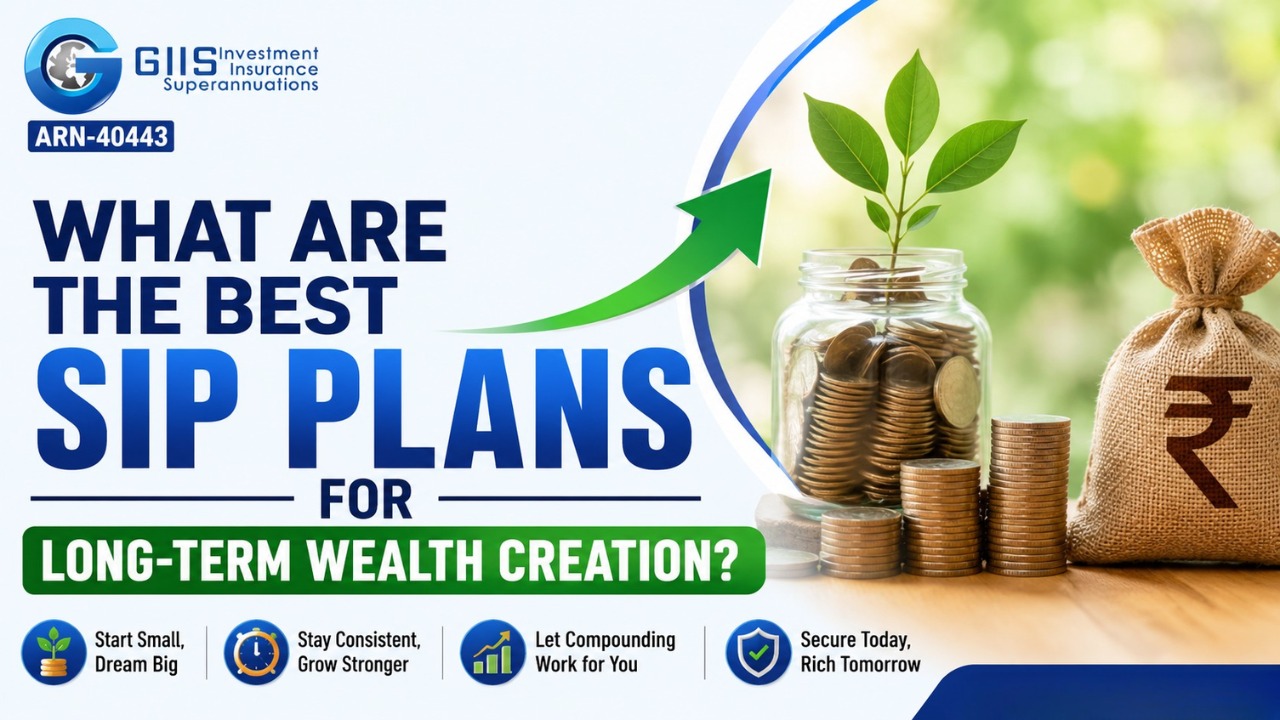
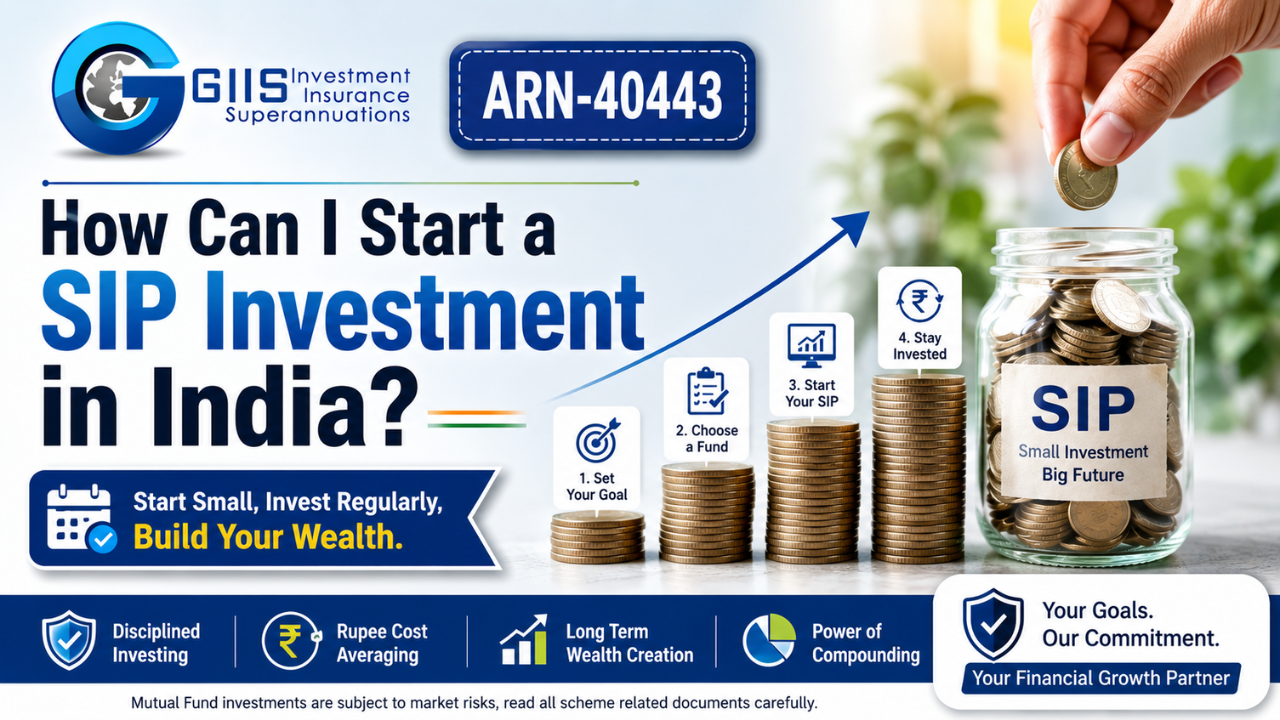
A Systematic Investment Plan, or SIP, allows investors to invest a fixed amount regularly in a mutual fund.
SIPs can be useful for investors who want to develop a disciplined investment habit without investing a large amount at once. Regular investing over a long period can help investors participate in different market conditions.
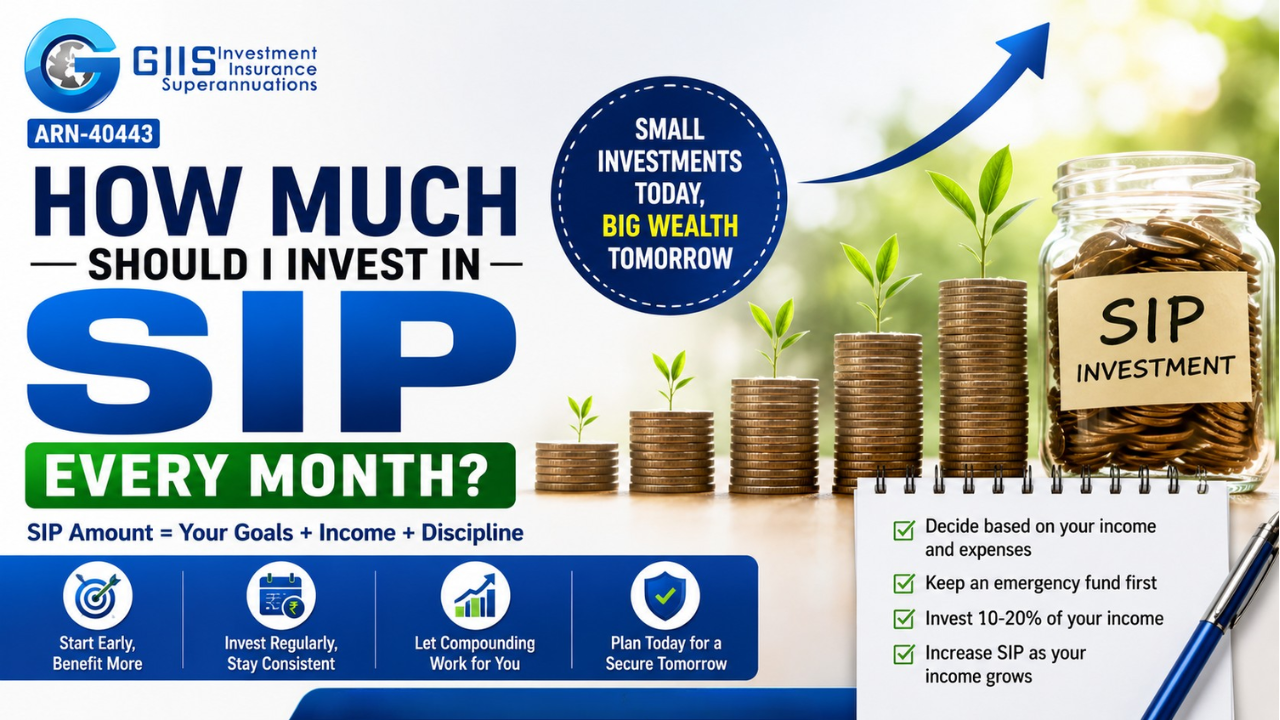
For people exploring sip investment plans in Jamshedpur, the appropriate SIP amount should be based on monthly income, expenses, financial commitments and long-term goals.
3. Direct Equity Investment
Investing directly in individual company shares can provide substantial growth potential, but it also involves higher market risk and requires a good understanding of businesses, valuations and market conditions.
Direct equity may be more appropriate for investors who understand market fluctuations and can tolerate significant changes in portfolio value.
Beginners should avoid investing based solely on social media recommendations or short-term market trends.
4. Fixed Deposits
Fixed deposits remain a popular choice for investors who prefer relatively predictable returns and capital stability.
Although the potential returns may generally be lower than long-term equity investments, fixed deposits can play an important role in managing short- and medium-term financial requirements.
They can also be useful for investors who have a lower tolerance for market fluctuations.
5. Public Provident Fund
The Public Provident Fund, commonly known as PPF, is a long-term government-backed savings option. It is often considered by individuals looking for disciplined long-term savings and applicable tax benefits under prevailing rules.
Because of its long-term nature, investors should understand the lock-in and withdrawal conditions before investing.
6. Gold
Gold can be considered as a diversification asset within an investment portfolio. Investors can gain exposure through physical gold or financial alternatives such as gold-based investment products.
Gold prices can fluctuate, so investors should consider their overall asset allocation rather than putting a large portion of their portfolio into one asset.
How to Choose an Investment for High Returns?
High return potential should not be the only factor when selecting an investment. Investors should consider five important points:
Investment Goal: Identify whether the objective is wealth creation, education, retirement, a home purchase or another financial requirement.
Time Horizon: Long-term goals can provide greater flexibility to consider growth-oriented investments, while short-term goals may require greater stability.
Risk Tolerance: Equity-based investments can experience significant fluctuations. Investors should select options that match their ability to handle temporary losses.
Liquidity: Consider how quickly the investment can be converted into cash when required.
Diversification: Spreading investments across different asset classes can reduce dependence on one investment category.
Best Investment Options for Long-Term Wealth Creation
For long-term wealth creation, investors often consider equity mutual funds, SIPs and direct equity. These options have higher growth potential but can also experience market volatility.
The investment strategy should be reviewed periodically as financial goals, income and market conditions change.
A person investing for 15 or 20 years may have a different investment approach from someone who needs the money within two or three years.
Best Investment Options for Child Education
Parents often want their investments to grow enough to cover future education expenses. Starting early can provide a longer investment period.
The Best Funds for Child Education depend on factors such as the child's age, expected education cost, investment horizon and parent's risk tolerance.
People often ask, “Where to Invest for Child Education?” For long-term education goals, equity-oriented mutual funds may be considered, while the portfolio can gradually become more conservative as the education date approaches.
The objective should be to create a dedicated education corpus rather than selecting an investment only because it has delivered high returns recently.
Retirement Planning and Long-Term Investments
Retirement planning requires a long-term approach because the financial requirement can extend for several decades.
Retirement planning services in Jamshedpur can help individuals evaluate their expected retirement expenses, inflation, existing investments and required retirement corpus.
SIPs, mutual funds, fixed-income investments and other suitable financial instruments can be combined depending on the individual's objectives and risk profile.
Starting retirement investments early can provide more time for the investment corpus to grow.
Tax Planning and Investment Decisions
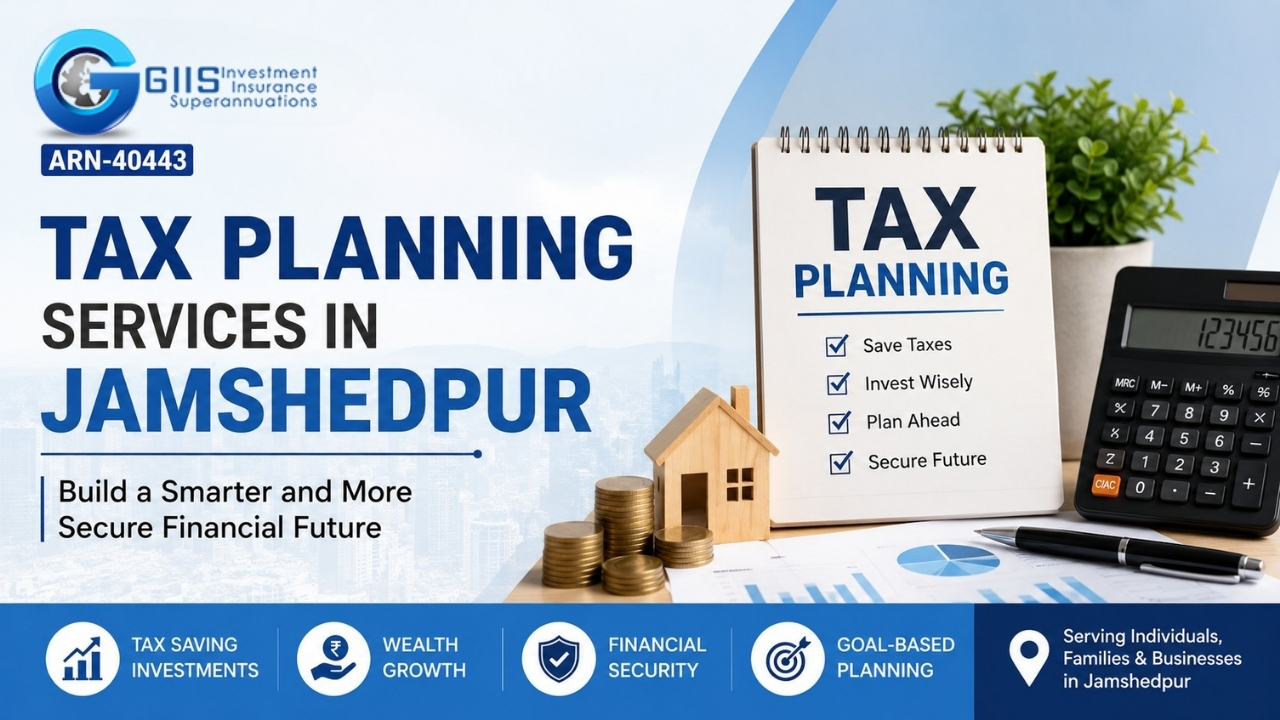
Taxation can affect the actual benefit received from an investment. Tax planning services in Jamshedpur can help individuals understand the tax implications associated with different financial products and structure investments according to their broader financial objectives.
Tax-saving potential should not be the sole reason for selecting an investment. Lock-in period, liquidity, risk and long-term suitability should also be considered.
Investment Options for Businesses
Businesses may have surplus funds that need to remain accessible while generating reasonable returns.
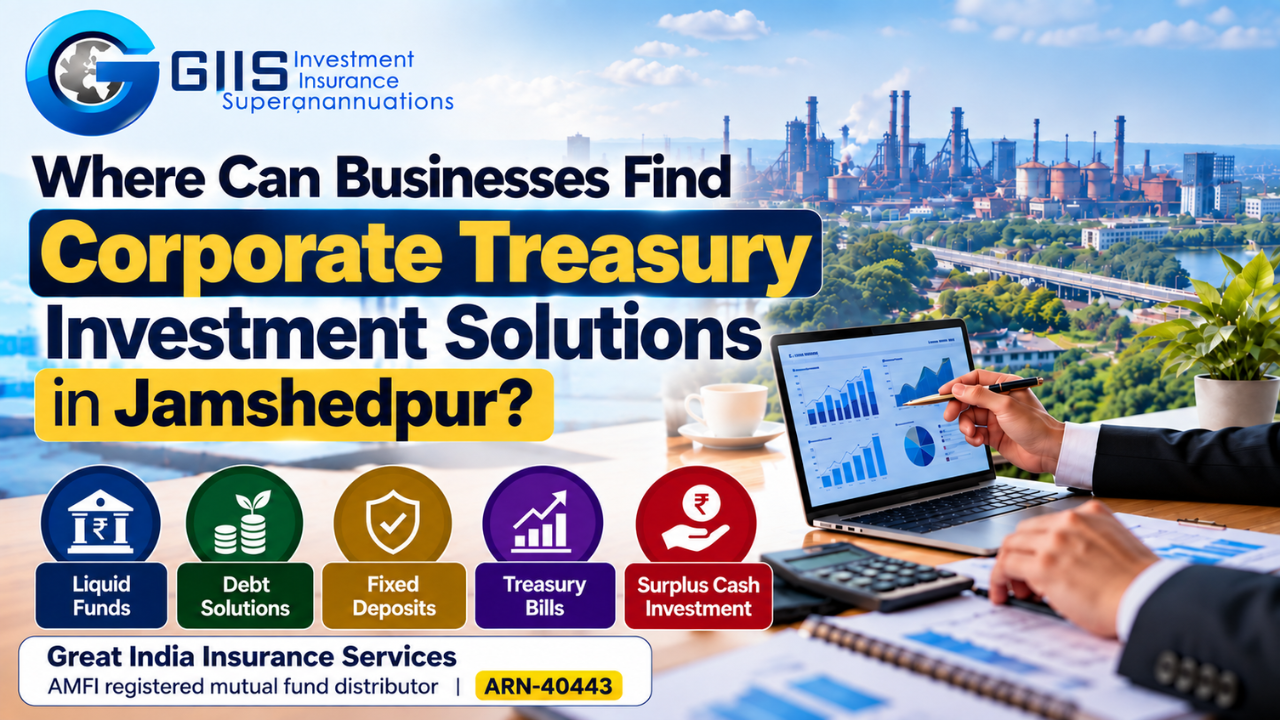
Corporate treasury investment solutions Jamshedpur can help businesses evaluate ways to manage surplus cash based on operational requirements, liquidity needs, risk parameters and investment timelines.
Corporate funds should be managed differently from personal investments because businesses may require access to cash for payroll, expansion, working capital and other operational needs.
Mutual Funds in Jamshedpur for Different Financial Goals
Investors searching for mutual funds in Jamshedpur have access to different categories designed for different objectives. Rather than selecting a scheme only because it ranks highly on recent returns, investors should compare the fund's objective, risk level, portfolio, expense structure and investment horizon.
For long-term goals, investors may consider growth-oriented categories, while short-term requirements may require relatively stable investment options.
Why Choose GIIS Financial?
Investment decisions become more meaningful when they are connected to clear financial goals. GIIS Financial focuses on financial planning and investment solutions that can be structured around objectives such as wealth creation, retirement, children's education and tax planning.
Whether you are starting your first SIP, exploring mutual funds in Jamshedpur or looking for ways to organise long-term investments, understanding the balance between risk, return, liquidity and time horizon is essential.
Frequently Asked Questions
Which investment gives the highest returns in India?
No investment can guarantee the highest returns. Equity-oriented investments generally have higher long-term growth potential but also carry higher market risk.
What is the best investment option for beginners?
Beginners can consider options based on their financial goals, risk tolerance and investment duration. SIPs in suitable mutual fund categories can be one option for long-term investors.
Is SIP better than a lump-sum investment?
Both approaches have different advantages. SIPs provide regular investing discipline, while lump-sum investing involves investing a larger amount at one time. The suitable approach depends on the investor's financial situation and market outlook.
Where can I invest for long-term wealth creation?
Long-term investors can consider equity mutual funds, SIPs and other growth-oriented investment options after evaluating their risk profile and financial objectives.
What should I consider before investing for high returns?
Consider risk, investment horizon, liquidity, taxation, diversification and the specific purpose of the investment before making a decision.
Share On












0
Comment